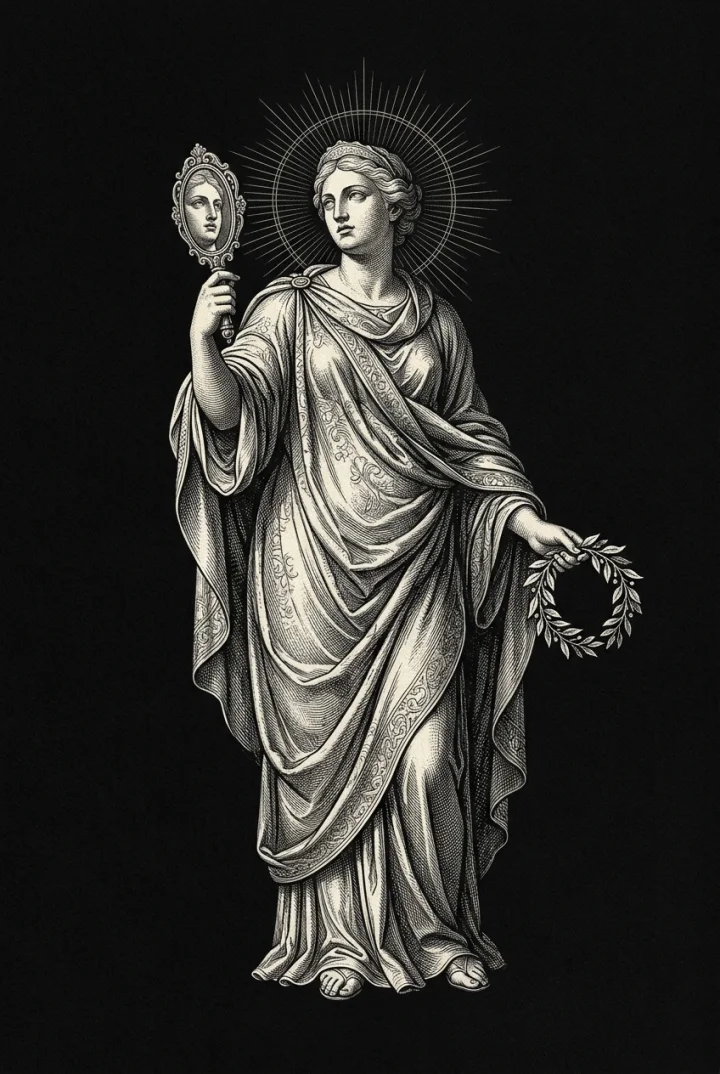
 I
Pride
SuperbiaWhen recognition matters, whose opinion carries the most weight? Pride surfaces in the quiet urge to prove yourself and guard your status.
Uncover the hidden geometry of your shadow psyche through a candid 21-question evaluation of seven classical archetypes.
Rooted in classical moral philosophy, the seven deadly sins describe recurring human impulses—from chasing status to losing yourself in excess. Explore each tendency, its Latin root, and its balancing heavenly virtue.
I
When recognition matters, whose opinion carries the most weight? Pride surfaces in the quiet urge to prove yourself and guard your status.
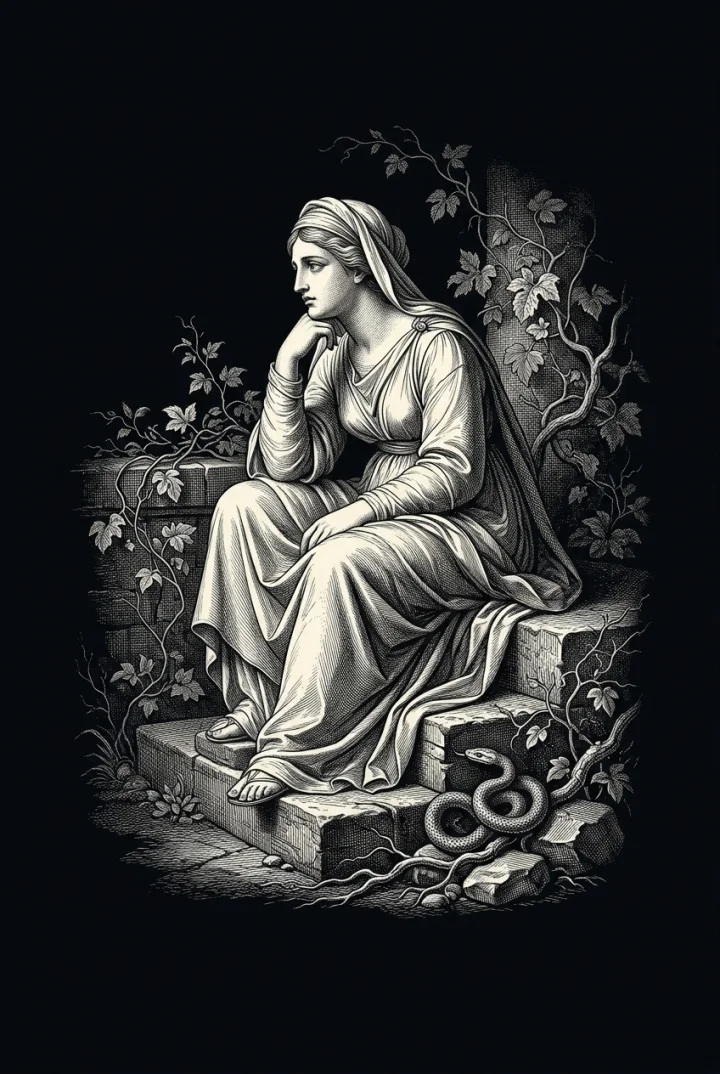 II
A friend’s good news can stir a sharp sideways comparison. Envy pulls your gaze toward what someone else enjoys instead of your own lane.
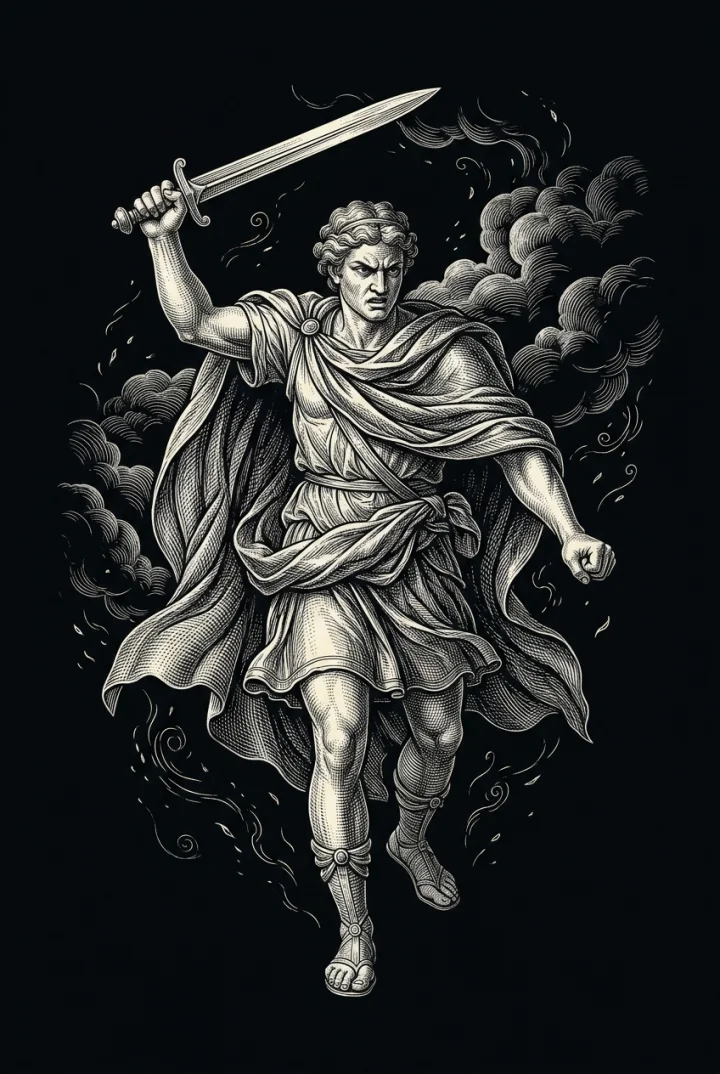 III
Even a small slight can replay for hours. Wrath appears when frustration lingers and keeps demanding the final, sharpest word.
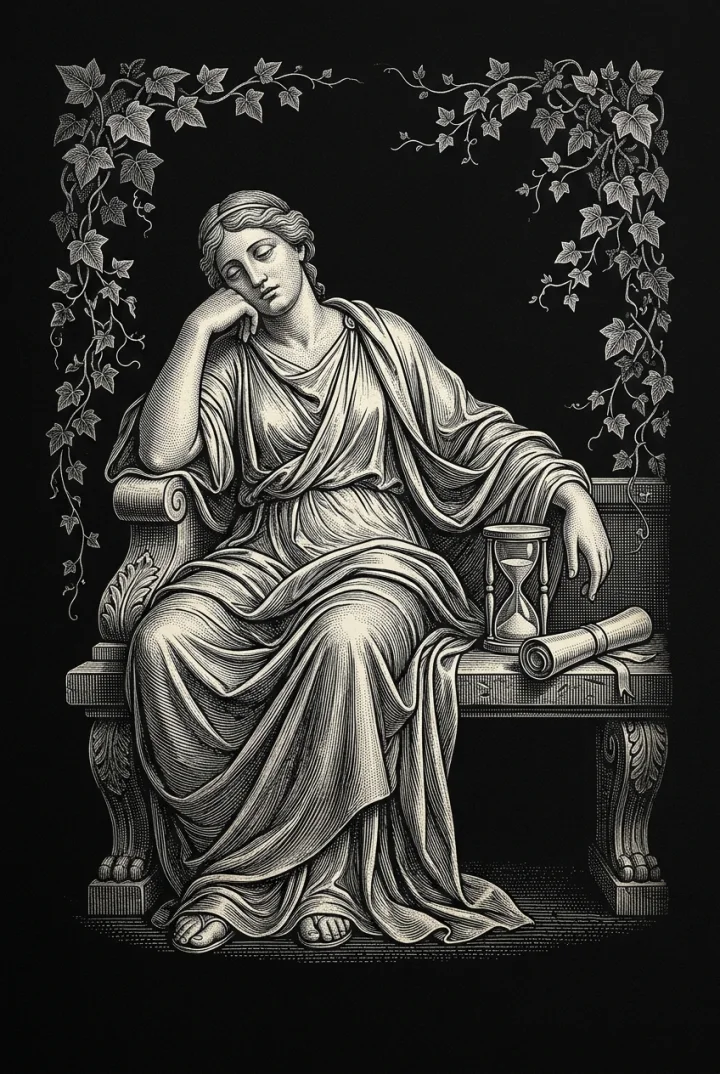 IV
Sometimes the heaviest lift is simply starting. Sloth lives in the gap between a clear intention and the first real step.
 V
Even a comfortable safety net can suddenly feel too small. Greed is the restless pull to keep accumulating more once needs are met.
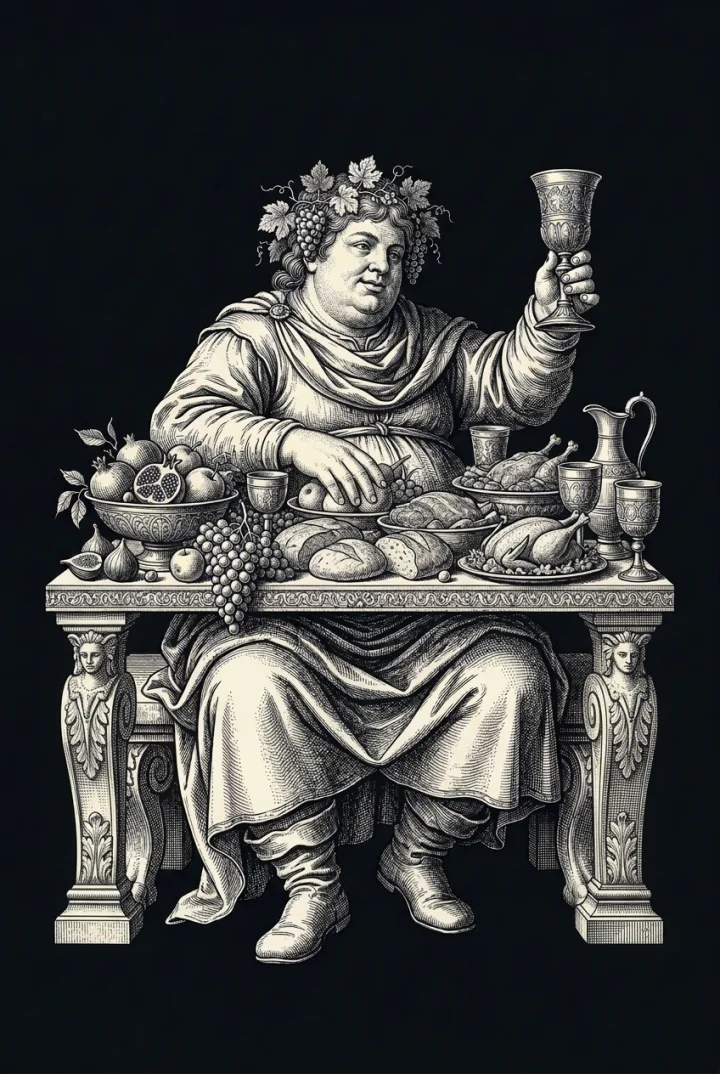 VI
One more episode, one more bite, or one more round. Gluttony shows up whenever appetite carries you past genuine enjoyment.
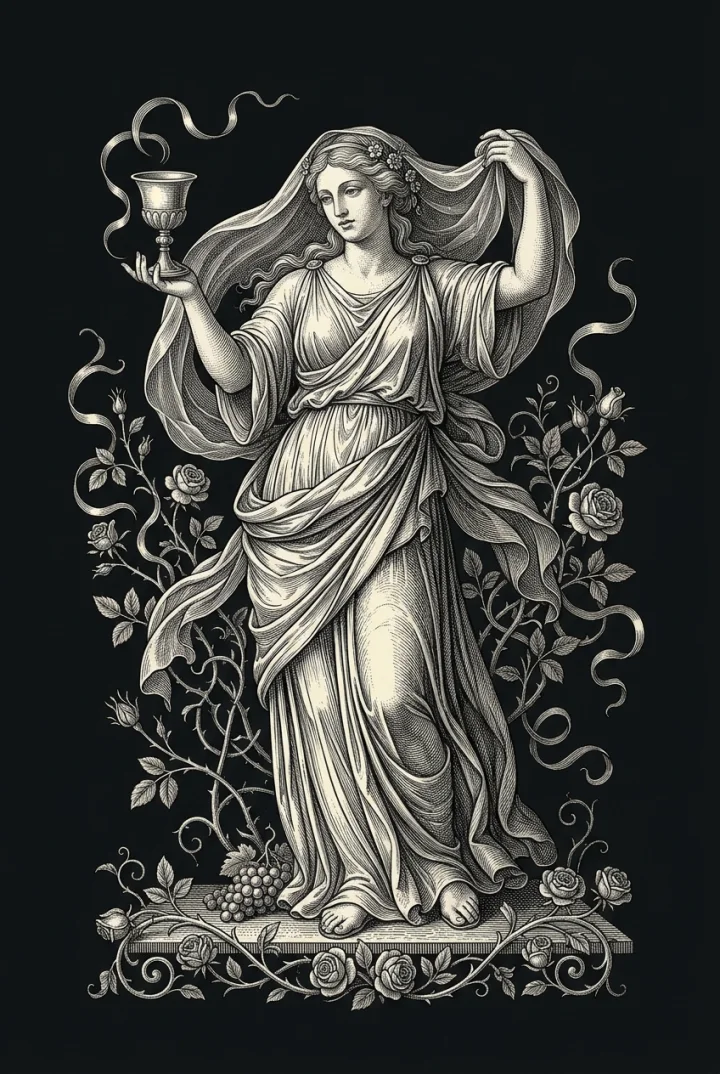 VII
A sudden spark can hijack an entire evening. Lust captures the magnetic pull of attraction, infatuation, and chasing the rush of novelty.
Quick comparison of each sin’s traditional Latin name, everyday behavioral pattern, and balancing virtue.
| Deadly Sin | Latin Name | Core Impulse | Everyday Example | Heavenly Virtue |
|---|---|---|---|---|
| Pride | Superbia | Status & superiority | Struggling to admit a mistake or needing credit | Humility |
| Envy | Invidia | Comparison & longing | Feeling stung by a peer’s promotion or trip | Kindness |
| Wrath | Ira | Lingering resentment | Rehearsing comebacks hours after a slight | Patience |
| Sloth | Acedia | Avoidance & inertia | Scrolling instead of starting a simple task | Diligence |
| Greed | Avaritia | Endless accumulation | Moving the goalpost right after hitting a target | Charity |
| Gluttony | Gula | Excess consumption | Binging episodes or snacks past satisfaction | Temperance |
| Lust | Luxuria | Craving thrill & romance | Derailing plans for the rush of a new crush | Chastity |
Our free 7 deadly sins quiz presents 21 original statements grounded in ordinary daily choices—three statements per sin, shuffled so you answer naturally without second-guessing the category.
Rate each everyday statement from “Not like me” (0) to “Just like me” (4) using clicks or keys 1–5.
Each sin totals 0 to 12 points across its three dedicated questions—no forced trade-offs between traits.
For example, 9 out of 12 equals 75%. Percentages are independent and can exceed 100% combined; ties share the lead.
Most personality quizzes feel abstract until a small, real moment gives them away. A friend texts that they landed the role you wanted. You type “Congratulations!” and genuinely mean it—yet when you set the phone down, a quiet sting lingers. Noticeable, everyday reflexes like that are what this test is built around.
Think about an ordinary week rather than one dramatic outlier. A heated argument with a close friend is vivid in memory, but ask yourself how typical it actually is. Picture the last two or three times a similar situation came up and choose the option that matches your usual instinct.
Use the middle option, “Somewhat like me,” whenever a habit shows up in one part of your life—such as work—but rarely appears at home. If you want to rethink an earlier item, the Back button lets you revise any answer before your chart is finalized.
Imagine hosting dinner with friends. The exact same evening can wake up any of the seven tendencies depending on what lingers in your mind on the way home:
Suppose your radar chart shows Pride at 75% and Envy at 67%. Those two points on the heptagon are separated by just a single answer point (9 out of 12 versus 8 out of 12). Rather than treating one label as absolute, look at how your top two or three spikes interact.
When two or more sins tie for the highest score, all leaders share the crown. Scoring 75% simply reflects your answers across three everyday statements—it is a personal mirror, not a ranking against other players.
Take the quiz separately before swapping links or PNG result cards. Ask each other which statements were instant “Just like me” picks and which depended on context. Two people who both score highest on Wrath or Sloth often recognize completely different everyday triggers—and comparing those stories is usually the best part.
Everything you need to know about scoring, privacy, sharing, and how the 7 Deadly Sins Test works.
Yes. You can take the 21-question quiz online, view your interactive 7-sin percentage radar chart, copy a shareable link, and download your illustrated result card completely free with no account required.
The quiz includes 21 everyday statements—three for each sin—rated from 0 ('Not like me') to 4 ('Just like me'). Each sin earns 0 to 12 points, which converts to an independent 0%–100% score. Because all seven scores are calculated independently, percentages can total more than 100% and tied highest scores share the lead.
The seven deadly sins are Pride (paired with Humility), Envy (paired with Kindness), Wrath (paired with Patience), Sloth (paired with Diligence), Greed (paired with Charity), Gluttony (paired with Temperance), and Lust (paired with Chastity).
The Deadly Sins Test is designed for self-reflection and entertainment rather than clinical psychological diagnosis. Its transparent scoring gives a structured snapshot of how you respond to everyday habits today.
Your individual question answers stay private inside your browser's local storage. A shared link encodes only your seven final scores in the URL hash so friends can view and compare your radar chart.
Yes. You can retake the test anytime to see how your profile shifts, download your PNG result card to keep a snapshot, or share your chart link to compare dominant sins side by side.